iPhone 17 Review: What You Actually Need to Know About Apple's Latest Flagship
The iPhone 17 has been generating significant buzz in tech circles over the past week, and for good reason. Apple's latest flagship represents an interesting evolution in smartphone design, blending familiar Apple aesthetics with some genuinely useful improvements. After researching user experiences, technical specifications, and real-world feedback, there's a clear picture emerging of what this device offers and where it falls short.
At its core, the iPhone 17 continues Apple's tradition of iterative refinement rather than radical reinvention. The device builds upon the foundation established by previous models while introducing meaningful upgrades in key areas. For many users, this represents a compelling upgrade path, particularly for those coming from older iPhone models. However, as with any major tech release, there are important considerations that potential buyers should understand before making a purchase decision.
The Impressive Bits
Where the iPhone 17 truly shines is in its display technology and performance capabilities. The 6.3-inch Super Retina XDR display with 120Hz ProMotion represents a significant upgrade over previous standard iPhone models. Users report noticeably smoother scrolling, more responsive touch interactions, and improved visual clarity across all types of content. This enhancement alone makes the iPhone 17 feel like a premium device, bridging the gap that previously existed between standard and Pro models.
Performance-wise, the A19 chip delivers exceptional processing power that handles demanding tasks with ease. Benchmark scores show impressive gains over previous generations, with Geekbench results around 3573 for single-core and 9143 for multi-core performance. This translates to real-world benefits like faster app loading, smoother multitasking, and better gaming performance. The device feels future-proofed for several years of use, which is an important consideration given the typical smartphone upgrade cycle.
Battery life improvements are another area where the iPhone 17 excels. Apple claims up to 30 hours of video playback, which represents an eight-hour increase over the iPhone 16. Real-world testing supports these claims, with users reporting 6.5 to 7 hours of screen-on time during typical daily use. The addition of faster 40W charging capability means users can reach 50% battery in approximately 20 minutes, addressing one of the long-standing complaints about Apple's charging speeds.
The Reality Check
Despite these improvements, the iPhone 17 has faced some notable criticism from early adopters. Connectivity issues have emerged as a significant concern, with users across multiple countries reporting problems with Wi-Fi stability and cellular performance. Some users experience frequent Wi-Fi drops, websites detecting no internet connection despite being linked, and instability even after network resets. These issues appear to affect both Wi-Fi and mobile data connections, creating frustration for users who rely on consistent connectivity.
Cellular performance problems have been particularly concerning, with reports of slow internet speeds, high ping times, and dropped calls. Analysis suggests these issues may relate to modem software or configuration rather than the Qualcomm X80 chip itself, but the practical impact remains the same for affected users. Some have reported that Apple support representatives have acknowledged the problem in individual support conversations, though a comprehensive public statement or fix has yet to emerge.

Camera Performance and Limitations
The camera system represents both a strength and a limitation for the iPhone 17. The dual 48MP rear lenses (Wide and Ultra Wide) plus an 18MP front camera deliver excellent image quality for most everyday photography scenarios. Users praise the versatility of the system, particularly the dual capture feature that allows simultaneous recording from multiple lenses. Portrait mode improvements and better low-light performance are noticeable upgrades over previous models.
However, there are some limitations worth noting. The telephoto lens struggles in low-light conditions, and some users report that Cinematic Mode is absent on certain iPhone 17 models, possibly due to thermal considerations. Professional comparisons have revealed rolling shutter artifacts, noise issues, and computational blur flaws on ultrawide lenses that don't match the performance of dedicated cinema cameras. For casual photographers, these limitations may not be significant, but for users seeking professional-grade video capabilities, they represent meaningful constraints.
Durability Concerns and Design Trade-offs
Durability has emerged as another area of concern, with what some users have termed "Scratch-gate." Multiple reports and user photos show easy-to-see scratches and scuffing on iPhone 17 and 17 Pro display units. The new anodized aluminum finish appears to be more susceptible to visible wear than previous generations, with some users reporting scratches appearing after minimal use. Apple has attributed at least some of these marks to MagSafe display stands rubbing on units in retail environments, but user experiences suggest the issue extends beyond store demo units.
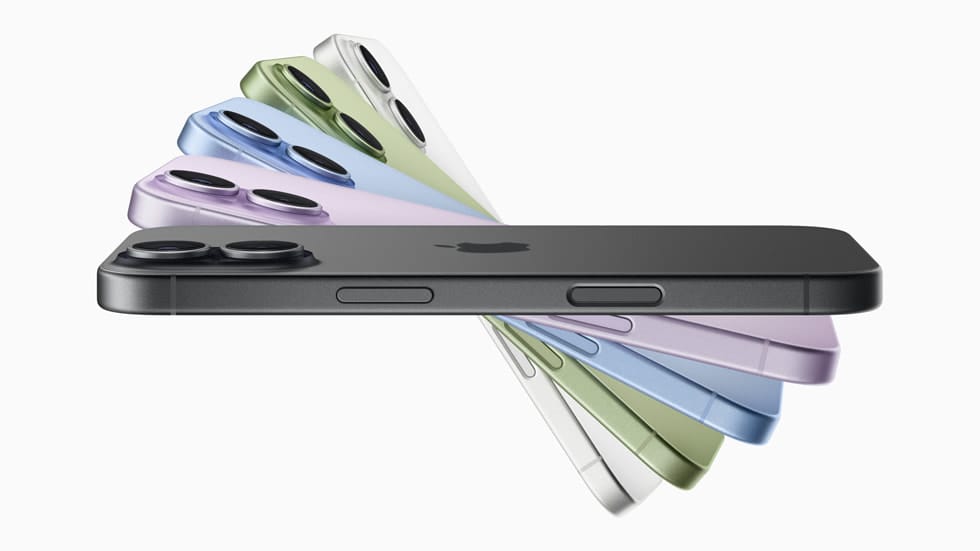
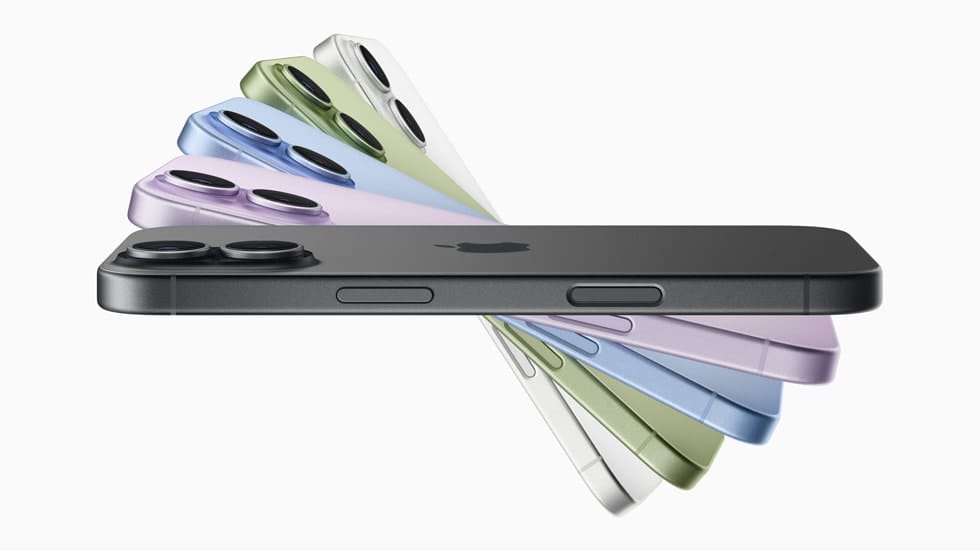
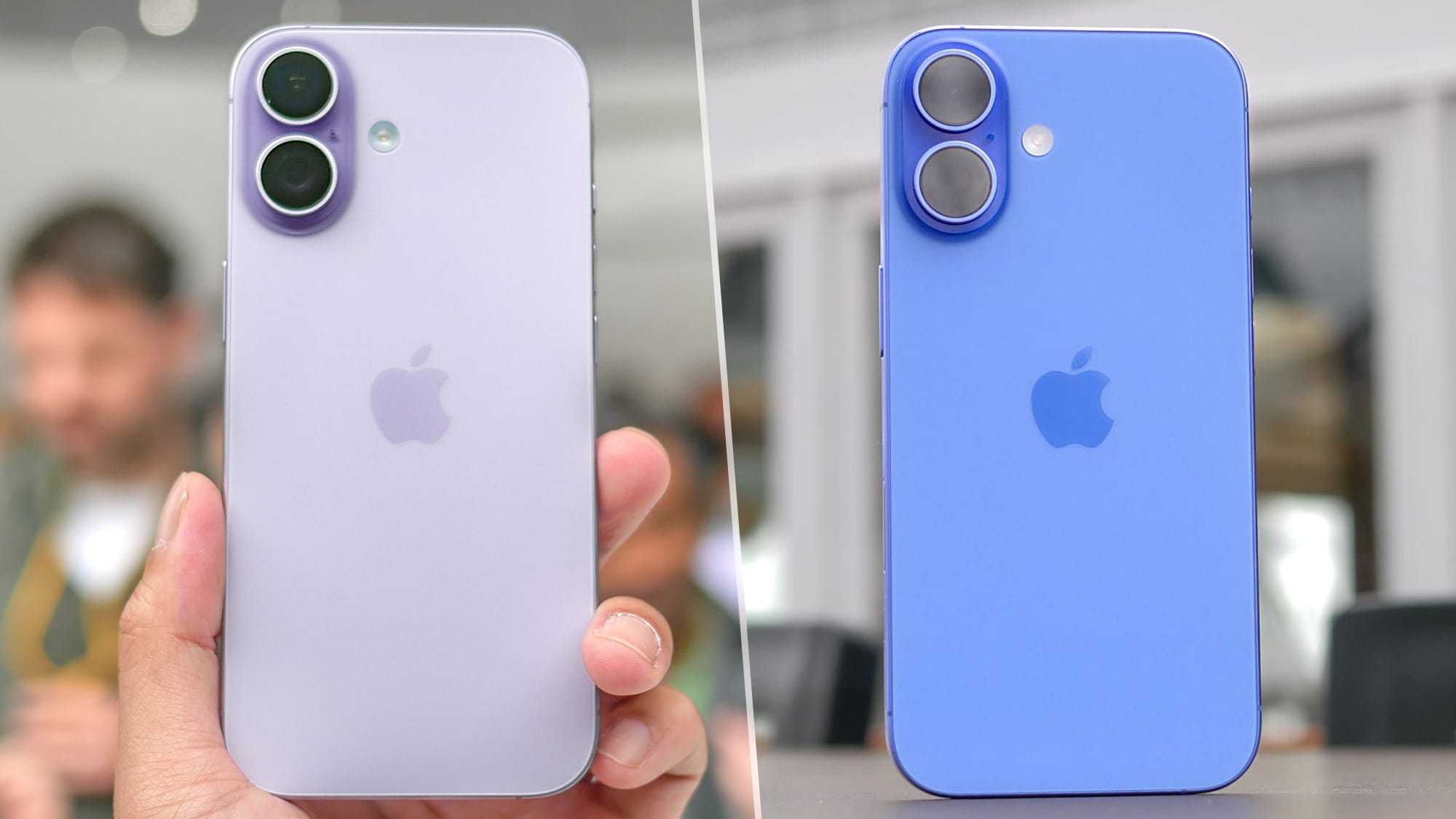
The design itself represents a careful balance of form and function. The device maintains Apple's signature aesthetic while introducing subtle refinements. However, some users have reported that the new design leads to case compatibility issues, with iPhone 17 cases differing from iPhone 16 models. This creates frustration for users who want to protect their investment while maintaining the device's intended appearance.
Pricing and Value Considerations
The iPhone 17 starts at $799 for the base model, positioning it as Apple's most affordable flagship option. This represents no price increase over the iPhone 16, which is notable given the improved specifications. The iPhone 17 Air starts between $899 and $949, representing a potential $50 increase over the iPhone 16 Plus it replaces. The iPhone 17 Pro starts at $1,099 with 256GB of storage, which is $100 more than the previous Pro model but includes double the base storage capacity.
Value assessment depends largely on individual needs and upgrade timing. For users coming from iPhone 16 or newer models, the improvements may not justify the upgrade cost. However, for those using iPhone 15 or older devices, the iPhone 17 represents a meaningful step forward in display quality, performance, and camera capabilities. The standard iPhone 17 model offers the best value proposition for most users, delivering premium features without the Pro price premium.
Who Should Consider the iPhone 17
The iPhone 17 makes the most sense for specific user groups. Those coming from iPhone 14 or older models will notice significant improvements across all aspects of the device. The display upgrade alone represents a transformative experience for users accustomed to 60Hz refresh rates. Similarly, users who prioritize battery life and charging speed will appreciate the meaningful gains in these areas.
Photography enthusiasts who don't require professional-grade video capabilities will find the camera system more than adequate for most scenarios. The improvements in image processing, low-light performance, and computational photography represent tangible benefits over previous generations. However, users who rely heavily on telephoto photography in challenging lighting conditions may want to consider the Pro models or alternative options.
Alternative Options Worth Checking
For users experiencing connectivity issues or concerned about durability, several alternatives deserve consideration. The iPhone 16 remains a compelling option at a lower price point, offering similar core functionality without the reported connectivity problems. Android alternatives like the Google Pixel 9 series offer competitive camera systems and software experiences at various price points.
Users who prioritize durability might consider devices with more robust construction or additional protective features. Similarly, those experiencing connectivity issues with the iPhone 17 might find better performance with previous-generation Apple devices or competing products from other manufacturers. It's worth noting that software updates may eventually address some of the reported issues, but users needing reliable performance immediately should consider these factors carefully.
Final Assessment
The iPhone 17 represents a solid evolutionary step in Apple's smartphone lineup, offering meaningful improvements in display technology, performance, and battery life. For many users, particularly those upgrading from older devices, it delivers a premium experience at a reasonable price point. The standard model strikes an excellent balance between features and cost, making it the recommended choice for most buyers.
However, the reported connectivity issues and durability concerns cannot be ignored. Potential buyers should be aware of these challenges and consider their individual tolerance for such problems. For users who experience connectivity issues, the frustration may outweigh the device's positive attributes. Similarly, those concerned about device durability might want to wait for more comprehensive user feedback or consider alternative protective solutions.
Ultimately, the iPhone 17 succeeds in delivering what most users want from a flagship smartphone: improved performance, better display quality, and enhanced camera capabilities. The connectivity issues represent a significant concern that Apple needs to address promptly through software updates or hardware revisions. For now, cautious optimism tempered with awareness of potential issues represents the most reasonable approach to this latest Apple offering.
This review is based on extensive research across user forums, review platforms, and community discussions in December 2025. TrueViewHub.com provides independent, unbiased tech reviews to help consumers make informed decisions.