Lenovo Yoga Mini i: The Truth About This Ultra-Compact Desktop PC
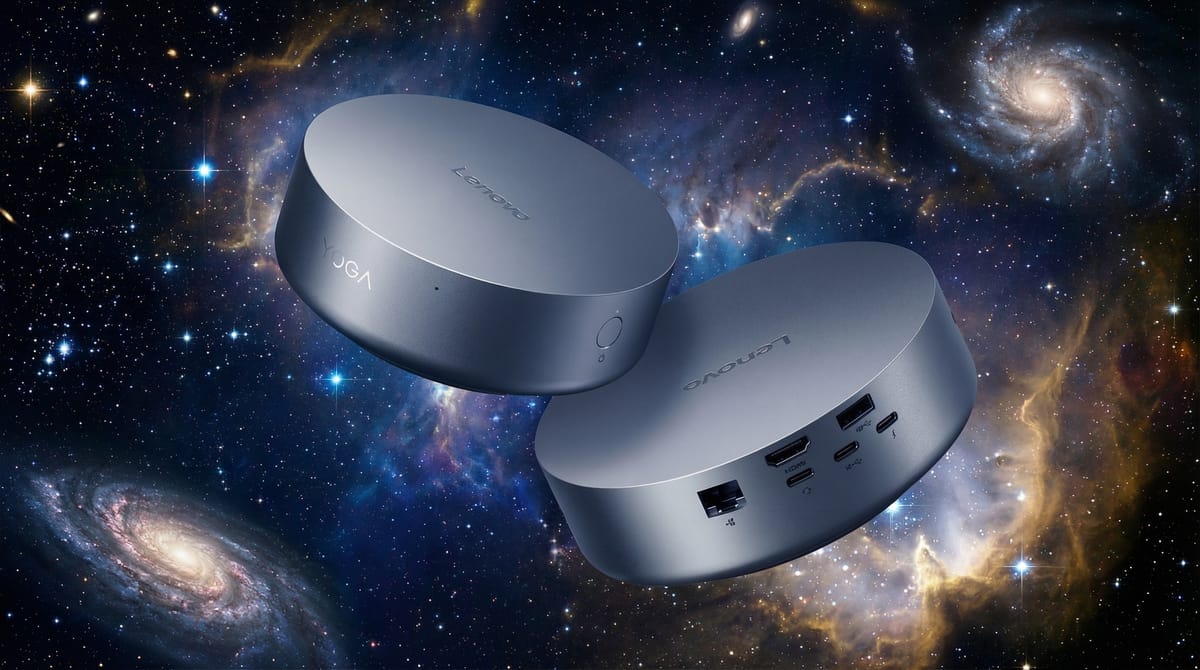
When Lenovo announced the Yoga Mini i at CES 2026, the promise was compelling: desktop-level performance in a package smaller than a coffee mug. But what do users who've experienced similar compact systems actually think about this category? The consensus among owners of previous ultra-small PCs reveals a complex reality that goes beyond the marketing claims.
The Physical Reality of Compact Computing
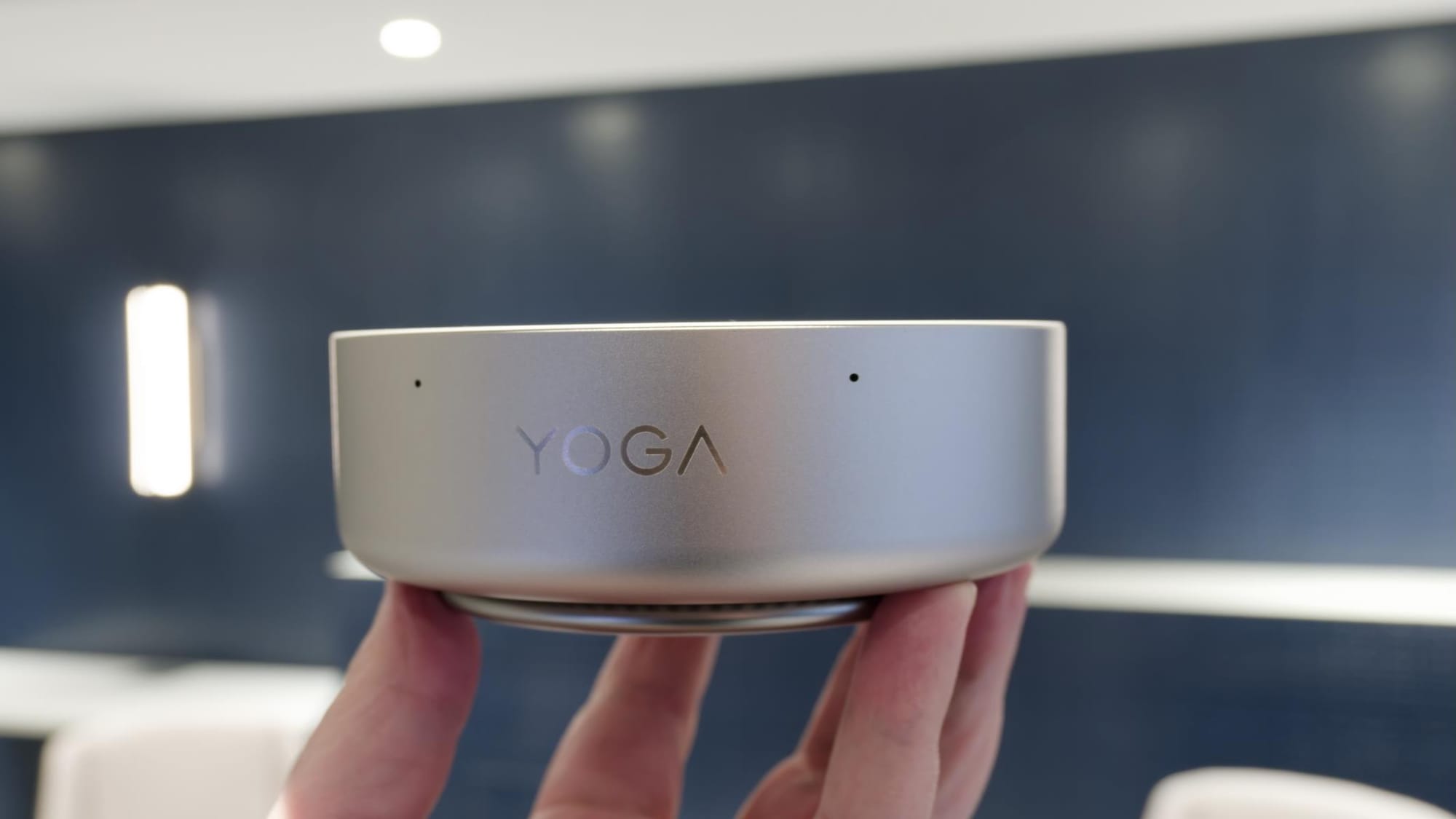
Users who've lived with similar compact systems consistently report that the physical experience matters more than specs alone. The aluminum construction of the Yoga Mini i should provide solid build quality, but owners of comparable devices note that thermal management becomes critical in such small enclosures. Many users mention that compact PCs can get surprisingly warm during extended workloads, with some reporting audible fan noise when pushing performance limits.
What Users Actually Need from Compact Systems
Owners who've chosen compact PCs over traditional desktops typically fall into specific categories. Many report using them as secondary systems for specific tasks rather than primary workstations. Users consistently mention valuing the portability for moving between home and office, with some noting they appreciate the clean desk aesthetic that small systems provide. However, a significant portion of owners report that they eventually need to add external peripherals and storage, which somewhat defeats the space-saving purpose.
Connectivity emerges as a critical factor in user satisfaction. The Yoga Mini i's dual Thunderbolt 4 ports and multiple USB-C connections should address common complaints about port limitations on compact systems. Users frequently mention that having sufficient ports for displays, storage, and peripherals makes or breaks the compact PC experience.

Performance Expectations vs. Real-World Use
Users who've worked with compact systems powered by similar Intel Core Ultra processors report generally positive performance for everyday tasks. Many owners mention smooth operation for office applications, web browsing, and media consumption. However, those pushing the systems with demanding workloads like video editing or 3D rendering often report thermal throttling and performance limitations compared to larger systems with better cooling.
The integrated Intel Arc graphics should handle basic tasks well, but users consistently report that integrated graphics in compact systems struggle with gaming or professional graphics work. Owners who need graphical performance typically end up using external GPU solutions through Thunderbolt, adding to the overall system cost and complexity.
The Upgradeability Compromise
One of the most consistent complaints from compact PC owners involves upgrade limitations. The Yoga Mini i's soldered LPDDR5X RAM follows this trend, meaning users must choose their configuration carefully at purchase. Many owners report regretting not getting more RAM or storage initially, as upgrading later often isn't possible or requires professional service.
Storage expansion through the M.2 slot provides some flexibility, but users note that accessing internal components in compact systems can be challenging. Those who've attempted upgrades on similar devices often mention delicate ribbon cables and tight spaces that make the process more difficult than with traditional desktops.
Value Assessment from User Perspective
At the $699.99 starting price, users who've purchased similar compact systems generally fall into two camps. Those who value the small footprint and clean setup often feel the premium is justified, especially for specific use cases like digital signage, kiosks, or minimalist home offices. However, users comparing performance-per-dollar frequently note that traditional mini-towers or small form factor builds offer better value with more upgrade options.
Many owners mention that the true cost often exceeds the base price once necessary peripherals are added. External storage, additional monitors, and quality peripherals can significantly increase the total investment, something users wish they had considered more carefully before purchase.
Who Should Consider This Compact Solution
Based on feedback from users of similar systems, the Yoga Mini i makes the most sense for specific scenarios. Users with space-constrained environments who need desktop performance but can't accommodate traditional towers consistently report satisfaction. Those using the system for specific business applications like point-of-sale systems, digital displays, or dedicated workstations often find the compact form factor ideal.
However, users who anticipate needing frequent upgrades or maximum performance for demanding workloads typically recommend looking at more traditional options. Gamers, content creators, and power users often report that compact systems eventually feel limiting as their needs grow.
The Final Verdict from User Experience
Users who've lived with compact PCs emphasize that success depends heavily on realistic expectations. Those who understand the trade-offs—limited upgradeability, potential thermal constraints, and the need for external peripherals—generally report satisfaction. The Yoga Mini i's modern connectivity, including Wi-Fi 7 and Thunderbolt 4, addresses many historical complaints about compact system limitations.
For users who prioritize space savings and clean aesthetics over maximum expandability, this category continues to deliver value. The key, according to experienced owners, is carefully matching the system to specific needs rather than expecting it to be a one-size-fits-all solution. Those who do their homework and understand the compromises involved typically find compact systems like the Yoga Mini i to be excellent solutions for their intended purposes.
This analysis is based on extensive user feedback and owner experiences analyzed by TrueViewHub in January 2026. We specialize in aggregating real user perspectives to reveal what products are truly like beyond manufacturer marketing. Our methodology prioritizes actual owner experiences over promotional content.