NVIDIA G-Sync Pulsar Monitors: The Motion Clarity Revolution
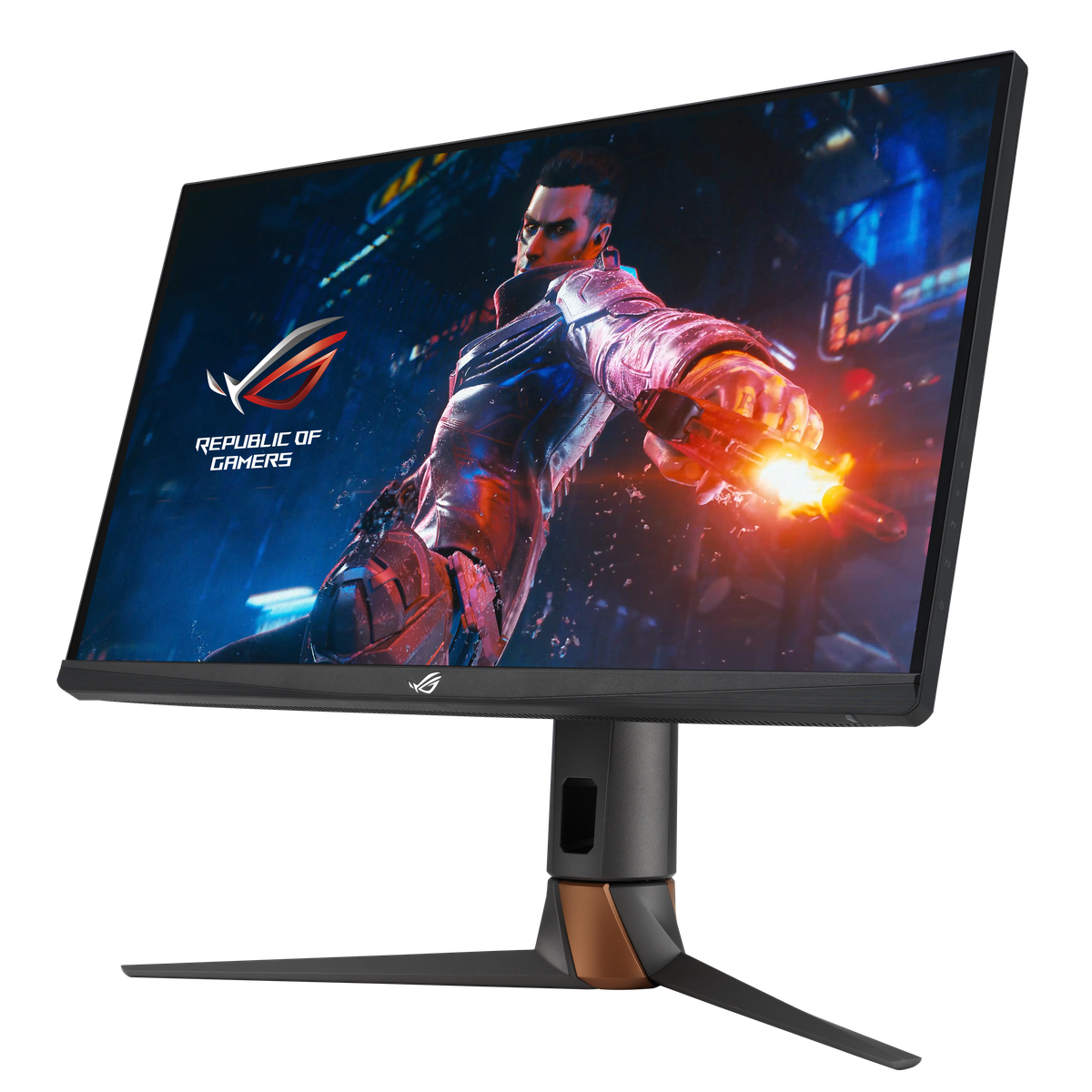
When competitive gamers first experienced NVIDIA's G-Sync Pulsar monitors, many described the sensation as "seeing motion clearly for the first time." This isn't just another incremental monitor upgrade—it's a fundamental shift in how fast-paced gaming looks and feels. Owners who've made the switch report that returning to traditional displays feels like stepping back into a world of persistent blur and visual uncertainty.
The Motion Clarity Breakthrough
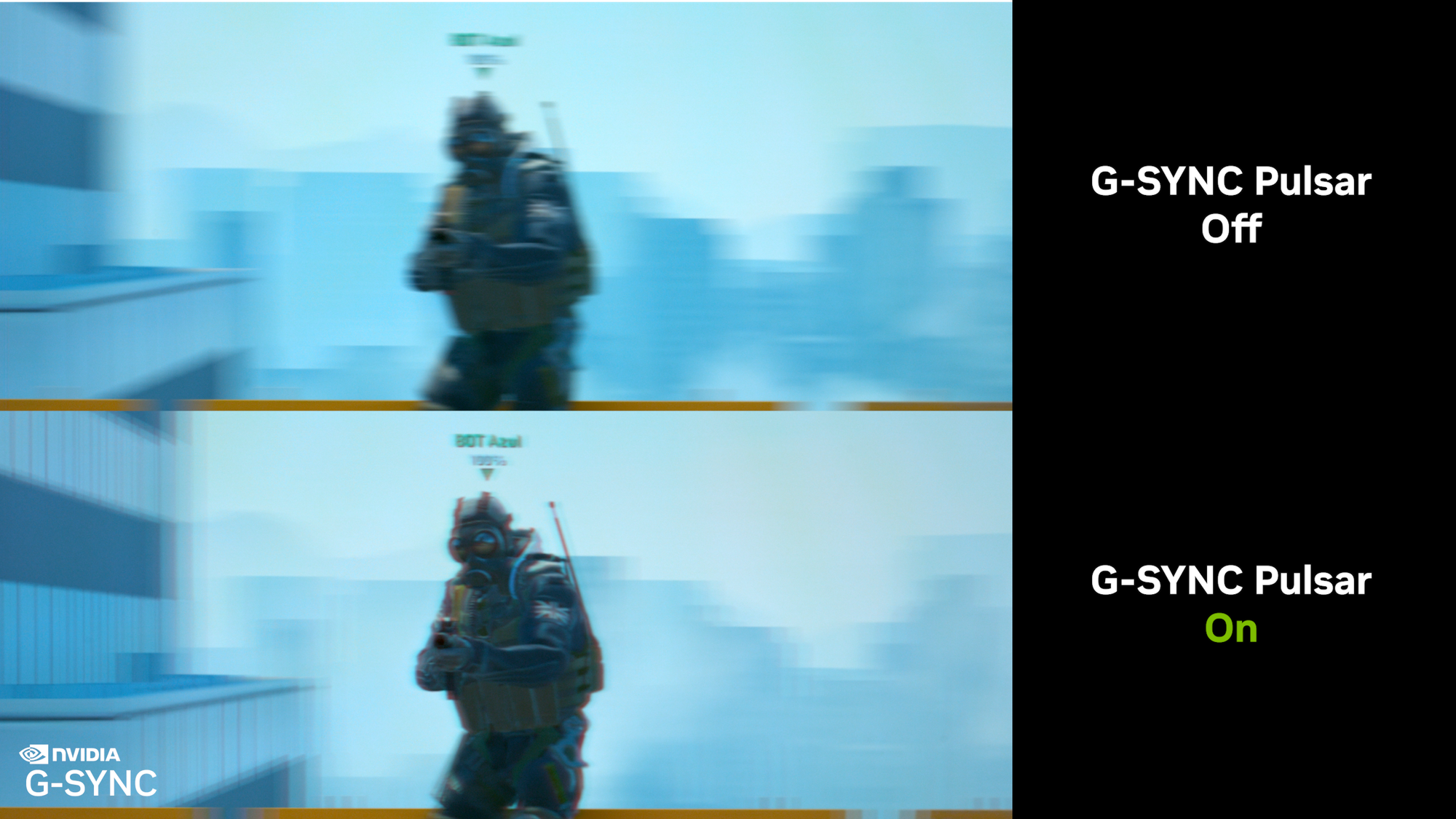
What users consistently highlight is how Pulsar technology transforms high-speed gaming. Unlike traditional monitors where fast-moving objects leave trails, Pulsar-equipped displays deliver what many describe as "CRT-like clarity" with modern convenience. The technology's variable frequency backlight strobing works seamlessly with variable refresh rates, eliminating the flicker that plagued earlier strobing solutions while maintaining tear-free gaming.
What Competitive Players Discovered
Esports enthusiasts and competitive FPS players report significant improvements in target tracking and situational awareness. Many owners mention that tracking fast-moving enemies in games like Valorant and Overwatch becomes noticeably easier, with some estimating a 10-15% improvement in their ability to track targets during chaotic firefights. The consistent clarity from top to bottom of the screen—something traditional strobing solutions struggled with—makes a tangible difference in high-stakes competitive play.
However, not all users experience the same dramatic benefits. Those playing slower-paced games or using consoles find the technology less impactful. Several owners note that the motion clarity advantages diminish significantly at frame rates below 90 FPS, making Pulsar less valuable for AAA titles running at lower refresh rates or for console gaming where high frame rates are less common.
The Trade-Offs Owners Face
While motion clarity receives universal praise, many users report noticeable brightness reduction when Pulsar is active. This trade-off becomes particularly apparent in HDR content, where the combination of strobing and HDR implementation can result in less dramatic highlights compared to non-strobed OLED displays. Some owners find themselves toggling Pulsar on and off depending on the content—keeping it enabled for competitive gaming but disabling it for HDR movies and cinematic single-player experiences.
The Hardware Reality Check
Owners quickly discover that realizing Pulsar's full potential requires substantial hardware investment. To consistently achieve the 200-360 FPS range where the technology shines brightest, users need high-end GPUs and CPUs. Many report that without a system capable of pushing high frame rates, the benefits become less dramatic, leading some to question whether the premium price is justified for their particular setup.
Another limitation that emerges in user discussions is the Nvidia ecosystem requirement. AMD GPU owners express frustration that they can't access Pulsar's full functionality, creating a platform lock-in that some find restrictive. This ecosystem limitation becomes a significant consideration for users who prefer hardware flexibility or who use multiple systems with different GPU brands.
Build Quality and Daily Experience
Early adopters report generally positive experiences with build quality across the various manufacturer implementations. The 27-inch IPS panels with 2560x1440 resolution and 360Hz refresh rates deliver the expected performance, though some users note that the IPS glow and backlight bleed typical of the panel type remain present. Stand ergonomics receive praise for offering height, tilt, and swivel adjustments, though a few owners wish for portrait rotation capability on all models.
What surprises many users is how quickly they adapt to the improved motion clarity. Several owners mention that after using Pulsar monitors for extended periods, returning to traditional displays feels jarring, with the persistent motion blur becoming more noticeable than ever before. This adaptation effect creates what some describe as a "one-way upgrade"—once experienced, it's difficult to go back.
The Value Equation
User consensus on value varies dramatically based on gaming habits. Competitive players who spend most of their time in high-FPS esports titles consistently report that the investment is worthwhile, with many stating they would purchase again without hesitation. These users value the competitive edge and improved gaming experience enough to justify the premium pricing.
Conversely, mixed-use gamers and those focused on cinematic experiences express more reservation. Many in this group feel that OLED alternatives offer better overall value, providing superior contrast and HDR performance while still delivering excellent motion handling. The decision often comes down to whether motion clarity or image quality takes priority for each individual's gaming preferences.
Who Should Consider the Upgrade
Based on owner feedback, Pulsar monitors make the most sense for dedicated competitive gamers who can consistently achieve high frame rates and who prioritize motion clarity above all else. These users benefit most from the technology and are most likely to appreciate the investment.
Those who should approach with caution include console gamers, users with hardware that can't sustain high frame rates, and anyone whose gaming diet consists primarily of slower-paced titles where motion clarity matters less. For these users, alternative display technologies may offer better overall value and performance characteristics more suited to their needs.
This analysis is based on extensive user feedback and owner experiences analyzed by TrueViewHub in January 2026. We specialize in aggregating real user perspectives to reveal what products are truly like beyond manufacturer marketing. Our methodology prioritizes actual owner experiences over promotional content.