NVIDIA RTX 5070 Ti: The Real Performance Truth Beyond the Marketing
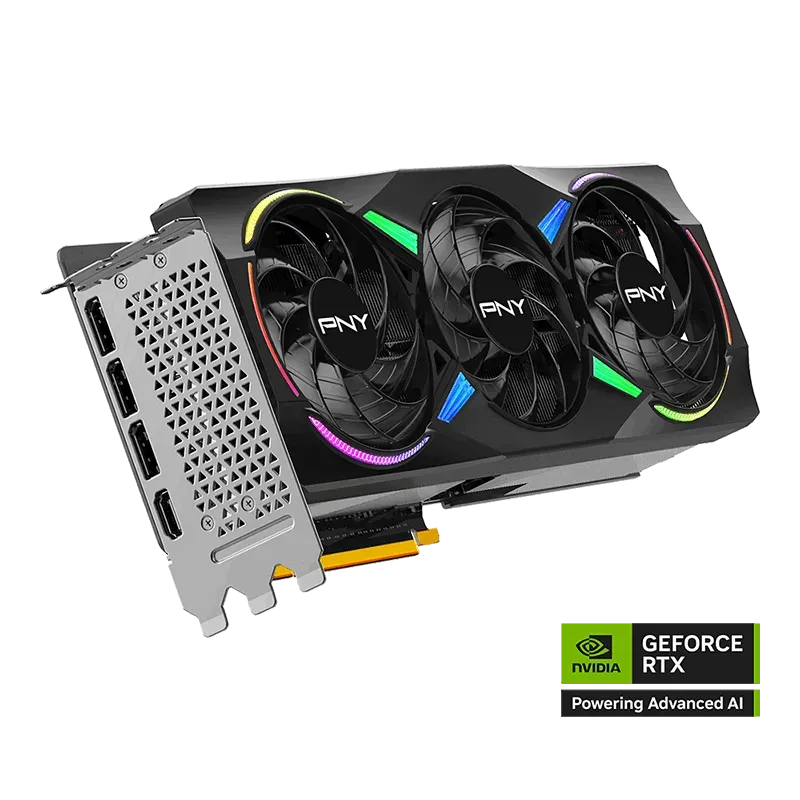
NVIDIA's RTX 5070 Ti arrived in February 2025 as the company's latest mid-to-high-end offering, but what do actual owners think of this Blackwell-based graphics card in the real world? After months of widespread adoption, the community has spoken - and there are some surprising truths about this GPU that go far beyond the marketing claims.
The Performance Reality vs Marketing Promises
Owners across gaming communities are reporting a mixed bag when it comes to performance expectations. While the RTX 5070 Ti delivers solid numbers in benchmarks, many users find the real-world gaming experience doesn't quite match the hype. The card delivers smooth frame rates in Cyberpunk 2070 at 1440p with ray tracing enabled (70-90 FPS), but owners note this performance comes with a catch - it often requires undervolting to achieve stable thermals and avoid performance drops.
What many buyers discovered after purchase is that the RTX 5070 Ti's performance gains over the previous generation are minimal in many scenarios. Users who compared it side-by-side with RTX 4070 Ti Super cards report only marginal improvements, sometimes as little as 5-12% better performance despite being a newer architecture. This has led to significant buyer disappointment, especially when considering the price premium.
The Stability Issues That Owners Are Discussing
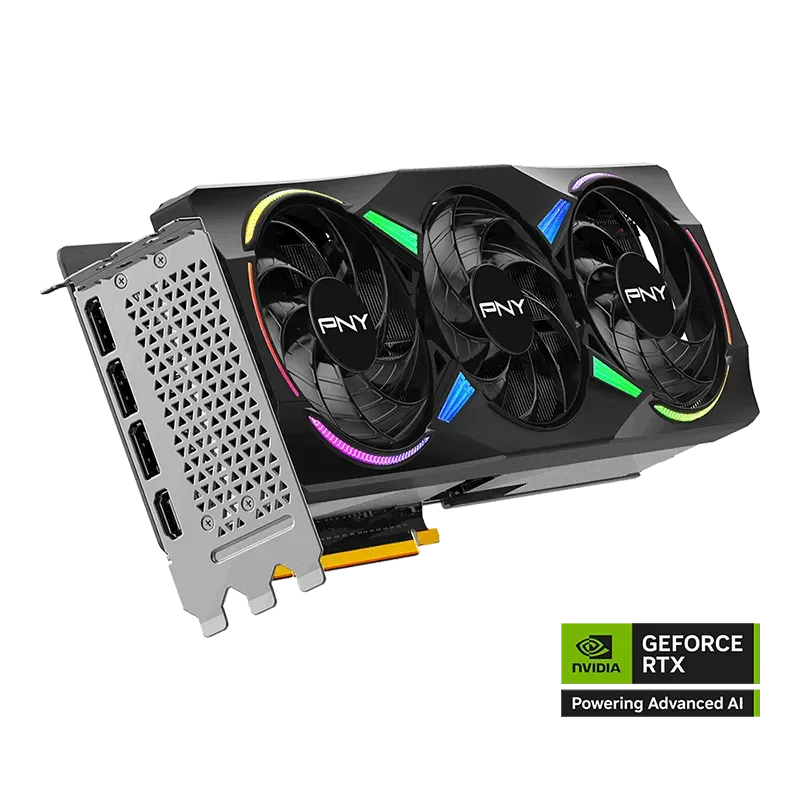
One of the most concerning issues reported by actual RTX 5070 Ti owners is intermittent performance crashes and driver instability. Users describe random system failures where graphics performance drops severely, causing jittery mouse movement, game crashes, or even full PC restarts. These issues are often traced to nvlddmkm driver errors in Event Viewer, leading many owners to suspect hardware defects rather than software problems.
What's particularly frustrating for users is the unpredictable nature of these crashes. Some owners report their cards work perfectly for weeks, then suddenly start exhibiting severe stability issues during gaming sessions. Others experience problems immediately after installation, regardless of how carefully they followed setup procedures. This has led to numerous RMA requests, with users troubleshooting everything from BIOS updates to driver reinstalls before finally seeking replacements.
Thermal and Power Management Challenges
Heat management has emerged as a significant concern for RTX 5070 Ti owners in community discussions. While the card generally runs quiet under normal loads, many users report that demanding gaming scenarios push temperatures to uncomfortable levels. This has led to a common practice among owners - undervolting via MSI Afterburner to keep temperatures under 50°C and reduce power consumption.
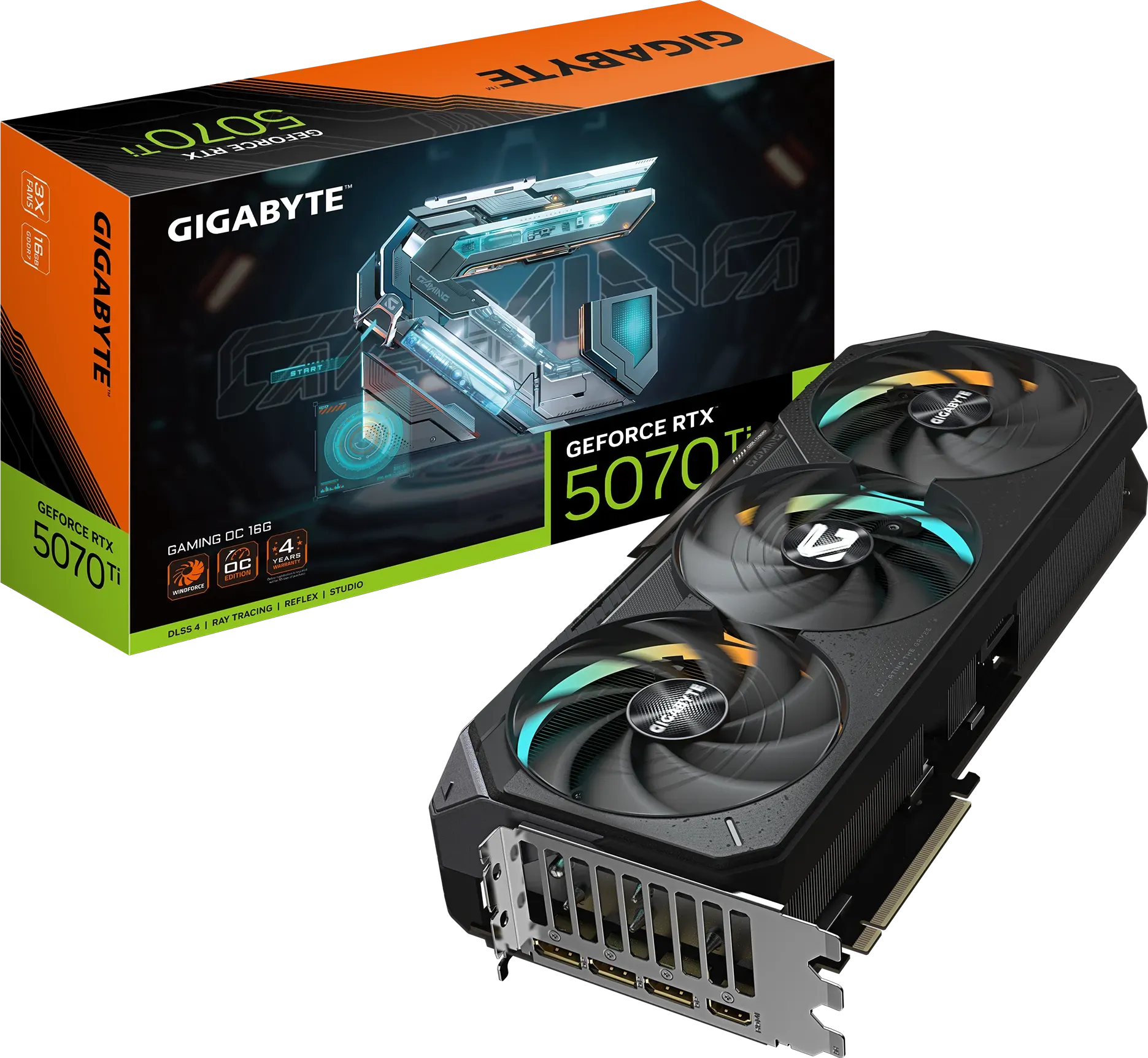
The power draw of the RTX 5070 Ti (300W TDP) combined with its size creates additional challenges. Owners frequently complain about the large physical dimensions of the card, which prevents proper installation in many PC cases. The included 12-pin power adapter also poses fitting issues, with some users reporting it blocks side panels or requires angled adapters that aren't included with the purchase.
The Coil Whine Problem That's Annoying Owners
Despite NVIDIA's marketing emphasis on quiet operation, many RTX 5070 Ti owners report experiencing coil whine during gaming sessions. This high-pitched electronic noise occurs during intensive GPU workloads and has become a common complaint across community forums and review sections.
What makes this particularly frustrating for users is the inconsistency. Some cards exhibit no coil whine whatsoever, while others produce loud, distracting noises even during moderate gaming. Owners who paid premium prices for what should be high-end hardware find this unacceptable, especially when considering the card's supposed advanced cooling technology.
The coil whine issue has led to some owners docking their satisfaction ratings from 5 stars to 4, citing noise as a significant detractor from an otherwise capable graphics card. Many users report having to adjust game settings or use workarounds to minimize the noise, which defeats the purpose of having a high-performance GPU.
Value Assessment: What Owners Really Think
When it comes to value for money, RTX 5070 Ti owners are divided, but a significant portion feels the card is overpriced for what it delivers. The street prices of $850-1000+ often match or exceed the cost of previous-generation RTX 4080 Super cards, despite offering minimal performance improvements.
Users who compared alternatives before purchasing often express regret. Many buyers mention they chose the RTX 5070 Ti because it was positioned as the "sweet spot" for 4K gaming, but after months of use, they feel the performance doesn't justify the premium. Some owners specifically state they would have been better off waiting for price drops or considering AMD alternatives.
However, it's not all negative. Some users do find value in the RTX 5070 Ti, particularly those who prioritize 1440p gaming with ray tracing enabled. These owners report smooth, consistent performance once they've undervolted the card and addressed thermal issues. The 16GB of GDDR7 memory and modern Blackwell architecture also provide future-proofing that many appreciate.
Who Should Buy vs Who Should Avoid
Based on owner experiences across multiple platforms, the RTX 5070 Ti appears to be best suited for specific user types. Owners who find the most satisfaction are typically those who:
- Primarily game at 1440p resolution with ray tracing enabled
- Have well-ventilated PC cases that can accommodate the card's size
- Are comfortable with undervolting and thermal management
- Value the 16GB VRAM for future-proofing
- Can purchase at or near MSRP rather than inflated street prices
Conversely, users who should probably avoid the RTX 5070 Ti include:
- Budget-conscious buyers looking for the best value
- Those with smaller PC cases that may not fit the card
- Users who want plug-and-play performance without tweaking
- Those sensitive to coil whine or electronic noise
- Anyone prioritizing 4K native gaming without upscaling
The Long-Term Reliability Question
One area where community feedback is still developing is long-term reliability. Since the RTX 5070 Ti launched in February 2025, most owners have only had their cards for several months. However, the early signs are mixed, with some users reporting no issues after months of intensive use, while others continue to experience intermittent crashes despite multiple driver and BIOS updates.
What's particularly concerning for some owners is that the stability issues often don't appear immediately. Users who report perfect performance for the first few weeks sometimes develop problems later, suggesting the issues may be related to component wear or driver compatibility that emerges over time.
Final Verdict from Real Owners
After aggregating feedback from actual RTX 5070 Ti owners across multiple platforms, a clear picture emerges of what this graphics card delivers in the real world. The consensus is that the RTX 5070 Ti is capable hardware that requires significant user intervention to perform optimally.
Owners who are technically inclined and willing to invest time in undervolting, thermal management, and troubleshooting can extract good performance from the card. However, those expecting a plug-and-play experience or significant generational improvements over previous hardware are likely to be disappointed.
The RTX 5070 Ti serves as a reminder that sometimes the most advanced technology doesn't always deliver the seamless experience marketing promises. For buyers considering this card, the advice from actual owners is clear: manage your expectations, ensure your PC can handle the physical and power requirements, and be prepared to spend time optimizing performance rather than just enjoying out-of-the-box gaming.
This analysis is based on extensive user feedback and owner experiences from online communities, analyzed by TrueViewHub in January 2026. We specialize in aggregating real user perspectives to reveal what products are truly like beyond manufacturer marketing. Our methodology prioritizes actual owner experiences over promotional content.