XREAL 1S AR Glasses: The Honest User Experience Report
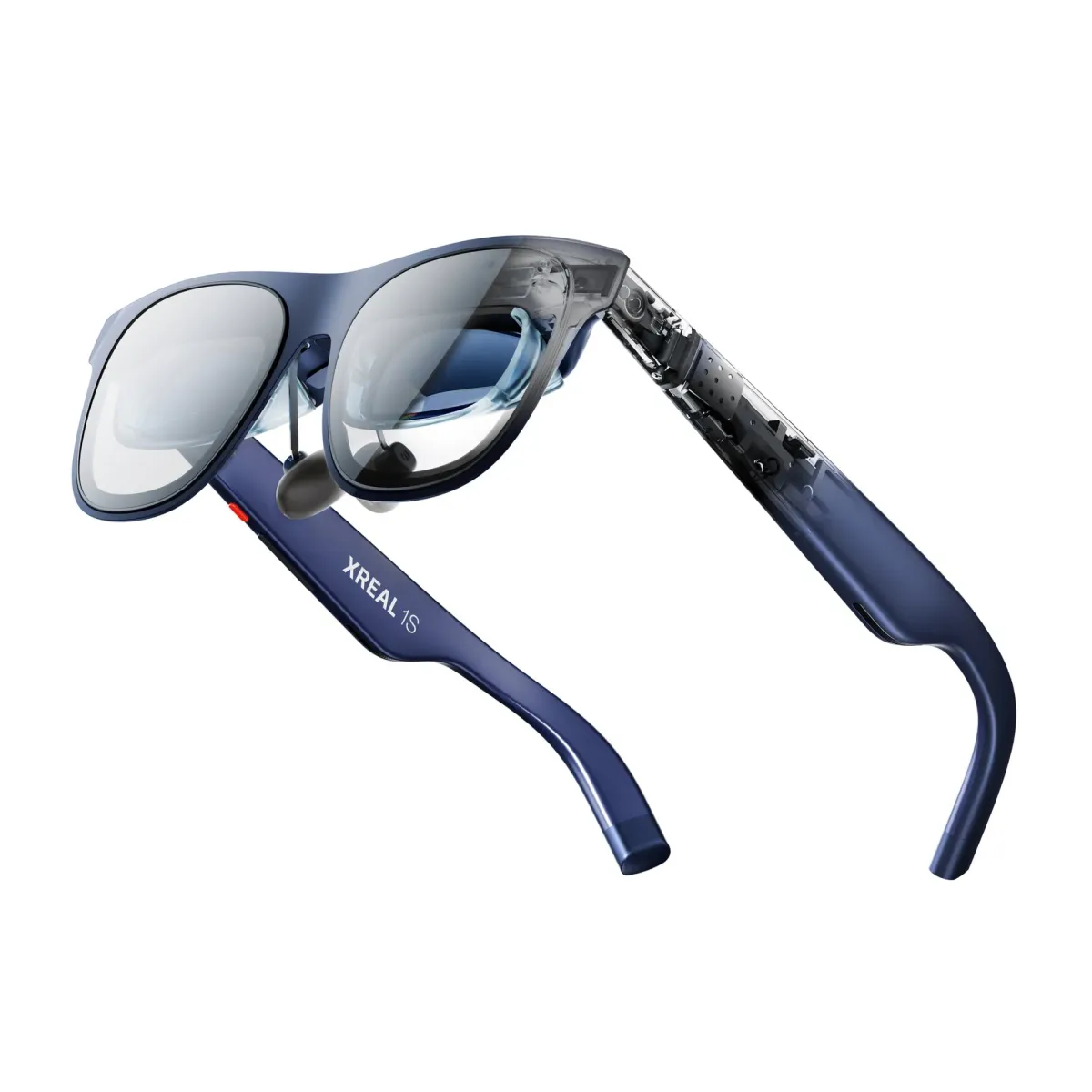
When the XREAL 1S AR glasses hit the market earlier this month, they arrived with a promise: to deliver a massive, immersive virtual screen without the bulk of traditional headsets. Early reviews buzzed about their capabilities, but the real test comes from people who live with them daily—commuting, working, and unwinding after long days. After piecing together extensive user feedback from across the web, a clear picture emerges: this is a device that delights many owners but also reveals its limitations in ways that marketing materials never mention. One of the most consistent praises from actual buyers centers on the display quality. Users consistently report that the 1200p Micro-OLED screens deliver crisp, vibrant visuals that feel like a private theater. The brightness, rated at 700 nits, holds up surprisingly well in varied lighting, from dimly lit hotel rooms to brighter airplane cabins. The 120Hz refresh rate is frequently highlighted for making everything from scrolling through documents to gaming feel smooth and responsive. Many owners appreciate the subtle details, like the deep blacks and wide color gamut, which make movies and games feel more engaging than on a standard smartphone or tablet screen.
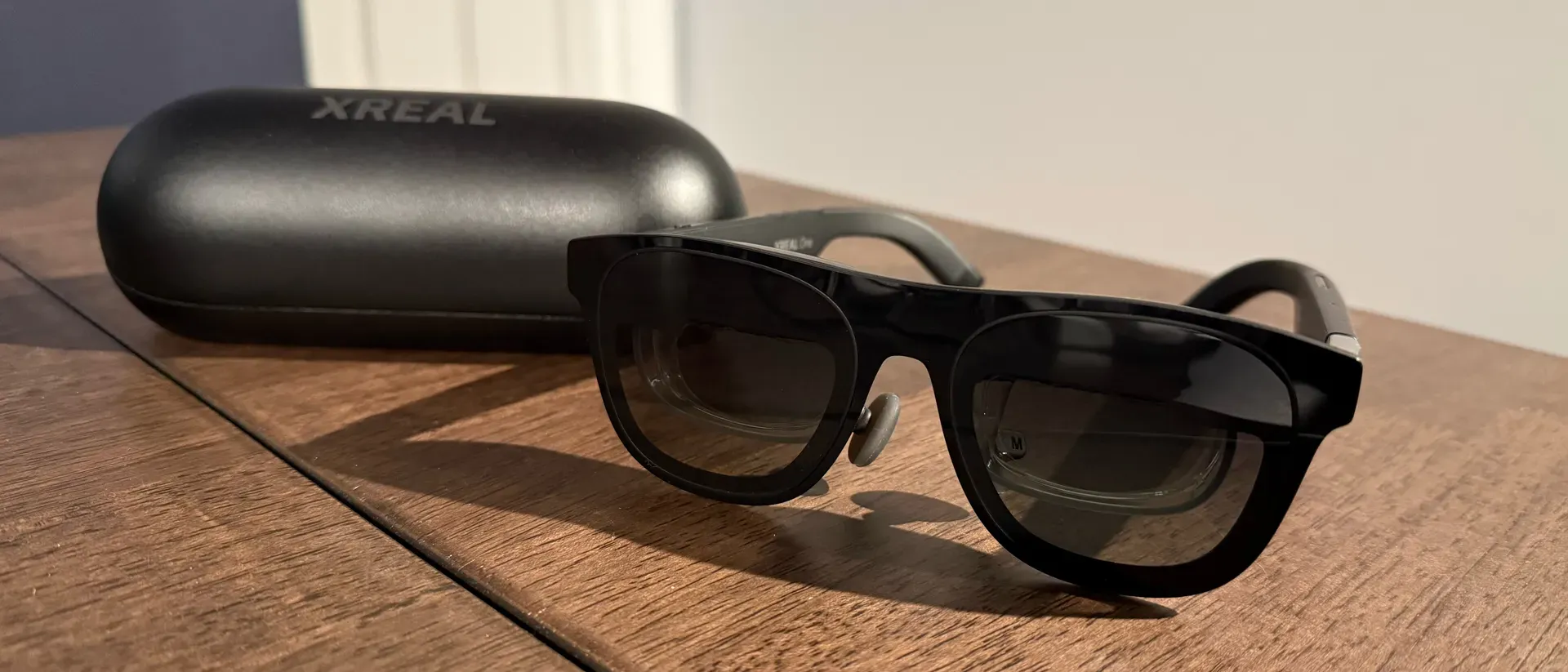
However, the X1 chip's promise of smooth head tracking and 3D conversion is where user experiences diverge. For static media consumption—watching a movie while lying in bed or following a recipe in the kitchen—the 3DoF tracking works well, anchoring the screen in space as you move your head. But several users have found that the tracking can drift, especially in environments with changing light conditions. A common scenario mentioned is watching content on a flight; as the plane banks or turns, the virtual screen can shift unexpectedly, requiring users to pause and recenter. This isn't a deal-breaker for everyone, but for those hoping for a rock-solid, always-in-place display, it's a noticeable friction point. The Real 3D feature, which converts 2D content to 3D in real time, is a double-edged sword. Users love the novelty and the sense of depth it adds to movies and YouTube videos, particularly for travel documentaries or nature content. Many owners report feeling more immersed, comparing it to a cinema experience. Yet, the trade-off is a frame rate drop, and some users note that fast-moving scenes can become jerky or even exhibit mild ghosting. The consensus is that it's a fun bonus, not a core feature, and it works best for slower-paced media. Comfort is another major win. At around 84 grams, the glasses are light enough for multi-hour sessions without causing significant fatigue. The open-ear speakers are a hit for users who want to stay aware of their surroundings—parents mentioned being able to hear a child cry while watching a movie, while travelers appreciated not being completely cut off from airport announcements. For those who prefer total audio immersion, most owners recommend pairing them with their favorite earbuds. The electrochromic lenses, which darken on demand, eliminate the need for external sunshades and add to the sleek, "Wayfarer-like" aesthetic that blends in better than bulkier AR headsets.
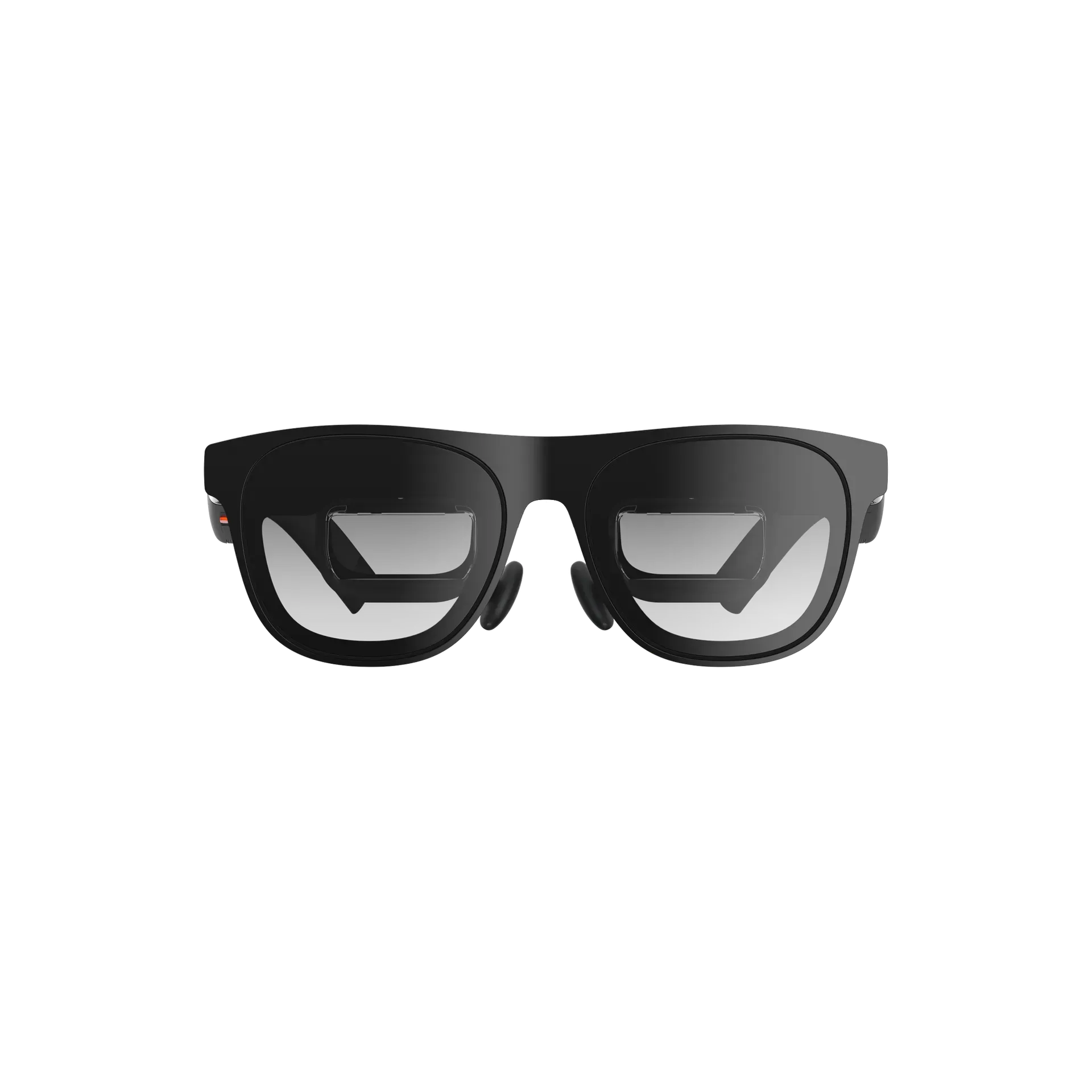
But not all feedback is glowing. A significant subset of users reports practical frustrations that can turn into deal-breakers. The most common hardware complaint involves the power button, located on the top of the glasses. It's easy to bump accidentally, especially when adjusting the fit or during active use like gaming. Worse, when the glasses are accidentally turned off, they don't resume the stream; they simply power down. The only recourse is to unplug and replug the USB-C cable—a minor annoyance during a movie, a major interruption during a video call or competitive gaming session. Connectivity and compatibility are another hot topic. The glasses require a USB-C port with DisplayPort Alt Mode or a compatible device. While they work flawlessly with newer laptops, Macs, and Android phones, users with older devices or iPhones (without a specific adapter) face hurdles. Several buyers mentioned having to purchase additional cables or hubs, which adds to the total cost and complexity. The permanently attached USB-C cable is also a point of contention; if the cable frays or fails, the entire device becomes a paperweight, as there's no way to replace it. Battery drain on connected devices is a persistent theme. Since the glasses draw power from the source, using them with a smartphone can be taxing on the phone's battery, with some users noting a 10-15% drain in under an hour of use. This makes them better suited for use with laptops or dedicated media players, where battery life is less of a concern. For gamers using handhelds like the Nintendo Switch, the Neo battery dock or a separate power bank is often recommended, which adds to the gear you need to carry. The field of view, while an upgrade from previous models, still strikes some as restrictive. Users accustomed to VR headsets with 110-degree fields find the 60-70 degree FOV on the 1S limiting, creating a more "cinema screen" feel rather than true peripheral immersion. The edges of the display can also appear slightly blurred or distorted to some viewers, a physical limitation of the optics that varies from person to person. Beyond the hardware, the software experience, while largely simple, has its own quirks. Switching between modes or adjusting settings can be unintuitive for new users. Some have described the menu system as basic, lacking the polish and depth of more mature platforms. Updates are expected, but in the immediate term, the learning curve can frustrate owners who expect a plug-and-play experience. Value for money is where the community truly splits. At $449, the XREAL 1S sits at a premium price point. Many owners who use them daily for work or entertainment feel the investment is justified, citing the unique combination of portability, display quality, and convenience. They compare favorably to buying a portable monitor or upgrading to a larger laptop screen. However, for more casual users or those who already own a tablet, the price is harder to swallow, especially when factoring in potential adapter costs. Looking at the ecosystem, the glasses shine brightest for a specific type of user: the frequent traveler, the remote worker who needs a second screen on the go, or the gamer who wants a portable but immersive setup. For these use cases, the user satisfaction appears highest. For users seeking a true augmented reality experience—with object interaction and detailed spatial computing—the 1S is often described as a stepping stone rather than a destination. It's a high-quality virtual display first, with AR features as a bonus. The most telling sign of user satisfaction comes from those who say they would buy it again. Many do, citing that once they adapted to the quirks, the convenience of a large, personal screen anywhere became indispensable. They appreciate that it's an evolving platform; as firmware improves, some software issues may resolve. Yet, for a small but vocal group, the hardware limitations—like the fixed cable, the power-off sensitivity, and the battery drain—make it a product to return rather than keep. In the end, the XREAL 1S AR glasses deliver on their core promise of a portable, high-quality virtual screen with impressive audio and comfort. The real-world experience highlights a product that's very good at its main job but requires some user adaptation and acceptance of its constraints. For those whose needs align with its strengths, it can feel like a game-changer; for others, it remains an intriguing but flawed gadget. The decision comes down to how you plan to use it, your budget, and your tolerance for a few small daily hassles in exchange for a significantly larger personal display.
This analysis is based on extensive user feedback and owner experiences from online communities, analyzed by TrueViewHub in January 2026. We specialize in aggregating real user perspectives to reveal what products are truly like beyond manufacturer marketing. Our methodology prioritizes actual owner experiences over promotional content.