XREAL 1S AR Glasses: The Truth Beyond the Marketing
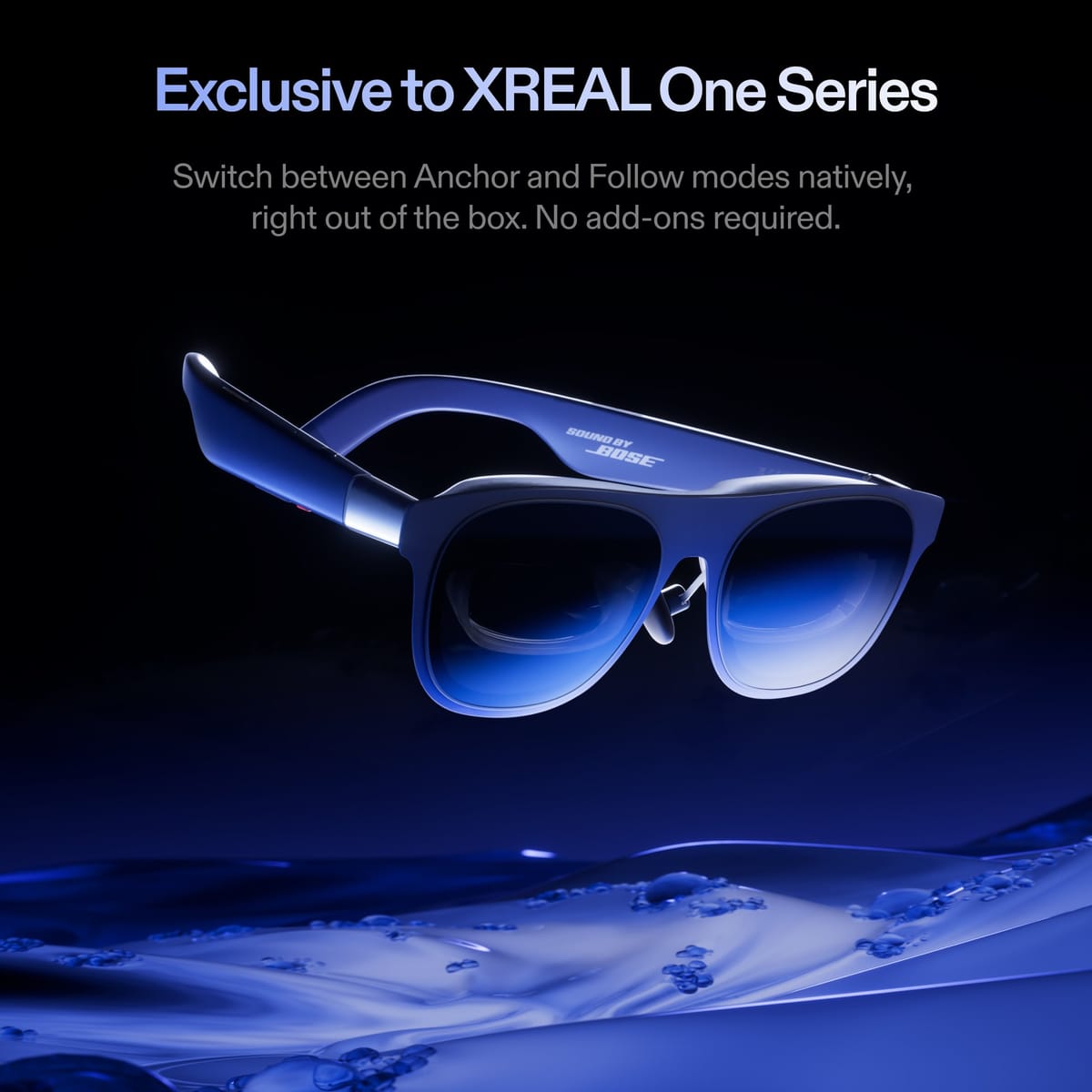
When you first slip on the XREAL 1S AR glasses, the immediate reaction from most users is genuine surprise. The 500-inch virtual screen that appears before your eyes feels less like a tech demo and more like a practical solution to a problem many didn't realize they had. Owners who've integrated these glasses into their daily routines consistently report a transformation in how they consume media, work remotely, and game on the go. This isn't about augmented reality in the sci-fi sense—it's about creating personal cinema spaces wherever life takes you.
The Reality of Daily Ownership
Users who've lived with the XREAL 1S for weeks report a clear pattern: these glasses excel in specific scenarios while revealing limitations in others. Frequent travelers, particularly those enduring long-haul flights, consistently praise the glasses as a game-changer. The ability to watch movies on what feels like a theater screen while seated in economy class has transformed the flying experience for many owners. Similarly, remote workers who need additional screen real estate in coffee shops or shared workspaces find the virtual monitor functionality genuinely useful for productivity tasks.
What Owners Actually Love
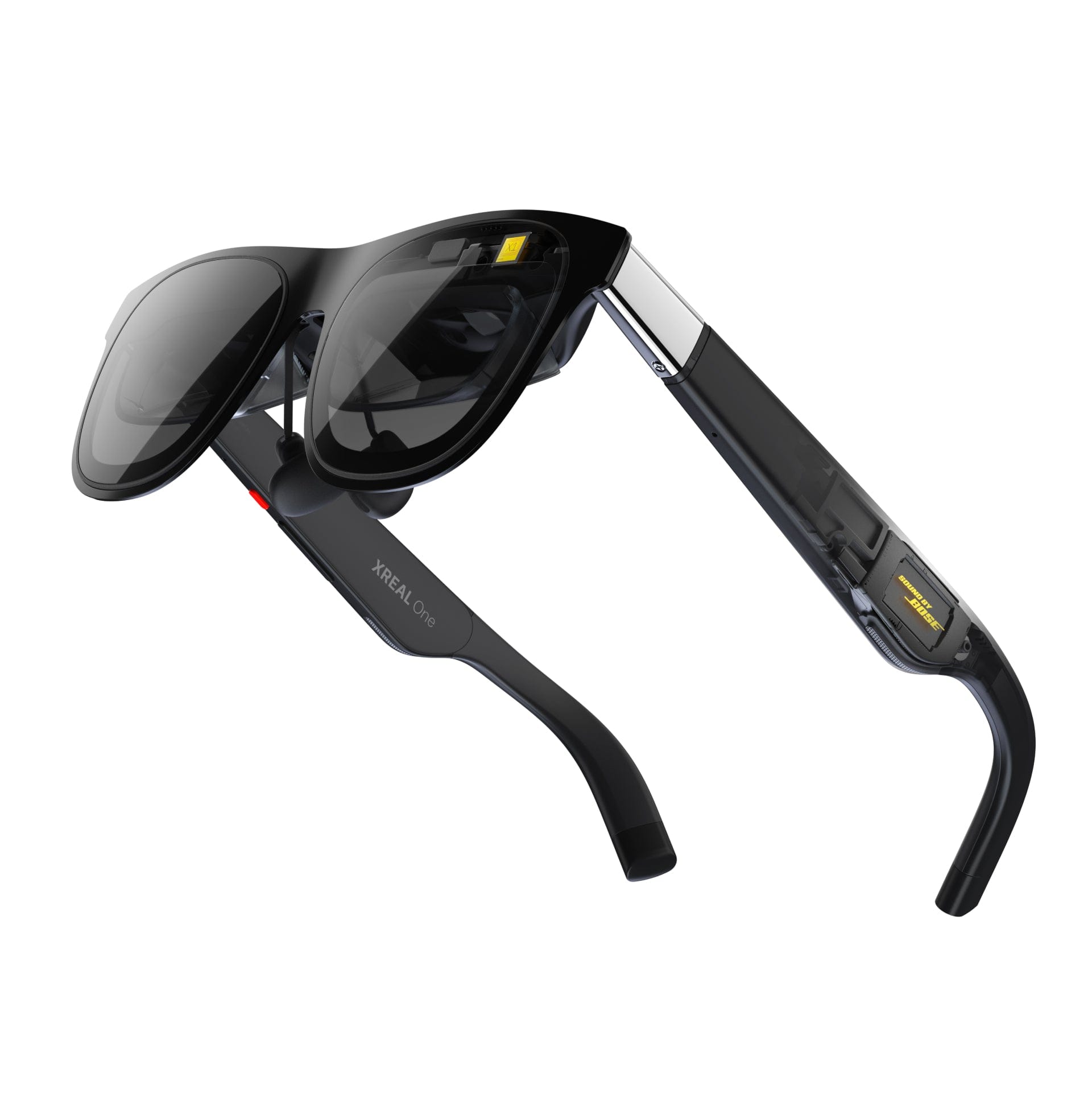
The display quality emerges as the single most praised aspect across user feedback. Owners consistently mention the sharp 1200p resolution and 120Hz refresh rate creating an experience that feels premium and immersive. Many users note that through-the-lens footage in reviews doesn't do justice to what they see in person—the Sony Micro-OLED panels deliver vibrant colors and deep blacks that make movies and games pop. The 700-nit brightness, while not perfect for outdoor use, provides excellent contrast in indoor environments where most owners use the glasses.
Comfort receives mixed but generally positive feedback. The lightweight 84-gram frame feels surprisingly substantial without being burdensome, and most users report being able to wear the glasses for two to three hours without significant discomfort. The multiple nose pad options help accommodate different face shapes, though some owners with particularly small or large heads mention needing extra adjustment time to find the perfect fit. Compared to traditional VR headsets, the open-ear design and lack of face gasket make extended sessions more comfortable and less sweaty.
The Uncomfortable Truths Owners Discover
Reflections and glare emerge as the most consistent complaint among owners. In brightly lit environments, particularly those with white surfaces or strong overhead lighting, users report distracting reflections that can diminish the viewing experience. Many owners didn't anticipate how sensitive the glasses would be to ambient lighting conditions, with some needing to adjust their seating position or room lighting to achieve optimal viewing conditions.

Compatibility issues represent another significant hurdle for many buyers. While the USB-C plug-and-play promise sounds straightforward, owners quickly discover that not all devices support DisplayPort Alt Mode. Some users report needing to purchase additional adapters or hubs to connect to their preferred devices, adding unexpected costs to what initially seemed like a simple setup. iPhone users in particular mention needing specific adapters that aren't always clearly documented in the initial purchase process.
Performance Where It Matters Most
Gaming performance reveals a clear divide in user experiences. For handheld gaming devices like the Steam Deck, ROG Ally, or Nintendo Switch, owners consistently report excellent results. The large virtual screen enhances immersion without introducing noticeable latency in most games. However, users attempting more complex 3D gaming or applications that rely heavily on spatial tracking report occasional jitter and frame rate limitations that can impact the experience.
Audio quality presents another area where expectations meet reality. The Bose-tuned open-ear speakers deliver clear dialogue and decent mid-range performance, but many owners note the lack of bass and sound leakage at higher volumes. A significant portion of users end up pairing the glasses with their preferred earbuds or headphones for better audio immersion and privacy, particularly in shared spaces.
The Long-Term Ownership Experience
Users who've owned the XREAL 1S for several months report generally positive durability experiences. The frame maintains its structural integrity, and hinges continue to hold their tension without becoming loose. However, some owners mention developing micro-scratches on the front lenses from cleaning with improper materials, emphasizing the importance of using the included microfiber cloth. Cable connections at the glasses end show the most wear over time, with a few users reporting intermittent signal issues after months of daily use.
Heat management receives mixed feedback. While most users report minimal heating during standard movie watching or productivity tasks, those pushing the glasses with extended gaming sessions or maximum brightness settings mention noticeable warmth around the temples. This rarely reaches uncomfortable levels but serves as a reminder that these are active electronic devices rather than passive eyewear.
Value Assessment from Actual Buyers
The $449 price point generates thoughtful discussion among owners. Frequent travelers and dedicated handheld gamers consistently rate the glasses as worth the investment, citing the transformative nature of having a personal cinema anywhere. Remote workers who regularly use co-working spaces or coffee shops also find value in the portable monitor functionality. However, casual users who purchased the glasses primarily as a novelty often express regret at the price, suggesting they'd only recommend them to people with clear, regular use cases.
Many owners mention that the glasses feel appropriately priced around the $350-$400 mark, with some suggesting waiting for sales or promotions. The consensus among long-term users is clear: if you have specific scenarios where a portable large screen would significantly improve your experience, the XREAL 1S delivers. If you're buying primarily out of curiosity or without clear daily applications, you may find the investment harder to justify.
The Final Verdict from Those Who Live With It
Owners who successfully integrate the XREAL 1S into their lifestyles become genuine advocates. The glasses excel as specialized tools rather than general-purpose devices. Travelers report never wanting to fly without them again. Handheld gamers describe enhanced immersion that makes portable gaming feel more substantial. Remote workers appreciate the flexibility of adding screen real estate wherever they happen to be working.
Yet the limitations remain real and significant. Bright environment performance, compatibility complexities, and audio limitations mean these glasses won't replace traditional displays for all scenarios. The most satisfied owners are those who understood exactly what they were purchasing: not full augmented reality glasses, but rather sophisticated wearable displays that create personal viewing spaces wherever you go.
For the right user with the right expectations, the XREAL 1S represents a glimpse into a future where screens become personal and portable in ways traditional displays can't match. For others, the limitations may outweigh the innovations. The truth, as always, lies somewhere between the marketing promises and the practical realities of daily use.
This analysis is based on extensive user feedback and owner experiences analyzed by TrueViewHub in January 2026. We specialize in aggregating real user perspectives to reveal what products are truly like beyond manufacturer marketing. Our methodology prioritizes actual owner experiences over promotional content.